 en
 ko
 ru
 es
 ar
 hi

17-4PH Stainless Steel: Properties, Heat Treatment and Applications
Understanding the composition, mechanical characteristics and aging conditions of UNS S17400 precipitation-hardening stainless steel.
17-4PH stainless steel, also known as UNS S17400 or SAE Type 630, is a precipitation-hardening martensitic stainless steel. It combines high strength, hardness, and moderate-to-good corrosion resistance, making it suitable for components that require both mechanical performance and corrosion protection.
Unlike conventional austenitic stainless steels such as 304 and 316, 17-4PH can achieve different strength levels through controlled aging treatments. Its properties can therefore be selected to suit different engineering requirements.
Chemical Composition of 17-4PH
The alloy obtains its precipitation-hardening characteristics mainly from its chromium, nickel, and copper content, together with niobium (columbium).
| Element | Typical Specification Range (%) |
|---|---|
| Chromium | 15.0–17.5 |
| Nickel | 3.0–5.0 |
| Copper | 3.0–5.0 |
| Niobium + Tantalum | 0.15–0.45 |
| Carbon | 0.07 max |
Chromium provides the basic stainless-steel corrosion resistance, while copper and niobium contribute to the precipitation-hardening mechanism. The low carbon content also supports the alloy's fabrication and welding characteristics.
Key Properties: Strength, Magnetism and Corrosion Resistance
High Strength After Aging
17-4PH can achieve high tensile strength and hardness after precipitation hardening. This makes it suitable for shafts, valve components, structural parts, and other applications where strength is a major design requirement.
Magnetic Characteristics
17-4PH has a martensitic microstructure and is magnetic. This is an important distinction when comparing it with common austenitic stainless steels such as 304 and 316, which are generally non-magnetic in the annealed condition.
Corrosion Resistance
17-4PH provides good corrosion resistance in many environments and can perform comparably to 304 stainless steel under suitable conditions. However, it is not a universal replacement for 316 or more highly alloyed corrosion-resistant materials. Warm chloride environments can cause pitting and crevice corrosion, so the actual operating conditions must be evaluated.
Understanding H900, H1025 and H1150 Conditions
One of the main advantages of 17-4PH is that its mechanical properties can be adjusted through different aging temperatures. The selected condition affects the balance between strength, hardness, ductility, and toughness.
| Condition | General Characteristics |
|---|---|
| H900 | Very high strength and hardness; lower ductility compared with higher-temperature aging conditions. |
| H1025 | Balanced strength and toughness for a range of engineering applications. |
| H1150 | Lower strength and hardness, with improved ductility and toughness. |
Common Applications of 17-4PH Stainless Steel
With its combination of high strength and corrosion resistance, 17-4PH is used in a range of industrial sectors.
Aerospace
Structural components, aircraft fittings, and high-strength shafts.
Oil and Gas
Valve components, wellhead equipment, and downhole tools.
Industrial Equipment
Pump components, mechanical parts, and high-strength fasteners.
Chemical Processing
Selected equipment components requiring a combination of strength and corrosion resistance.
Medical Equipment
Selected surgical and mechanical components.
Available Product Forms and Material Selection
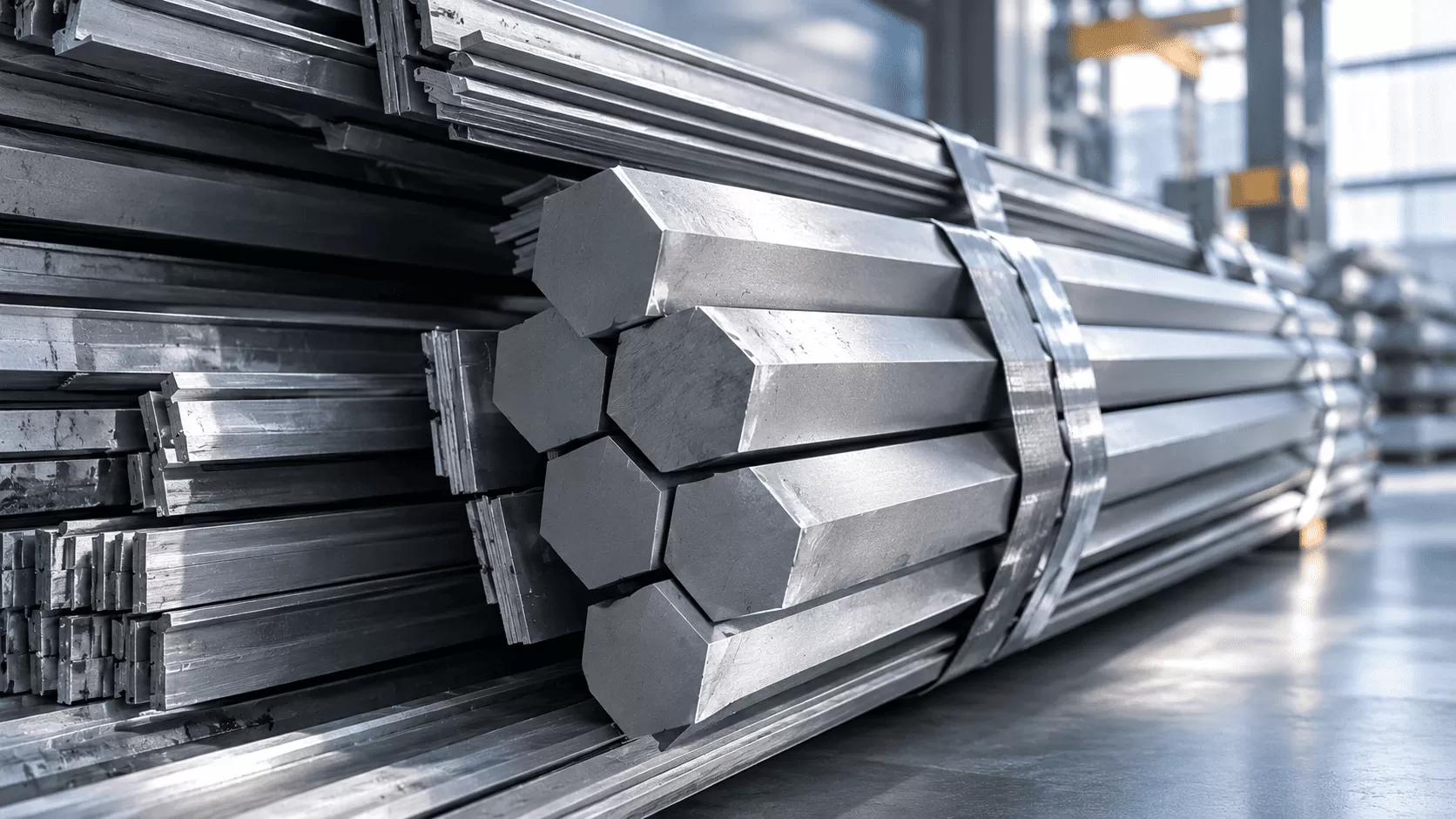
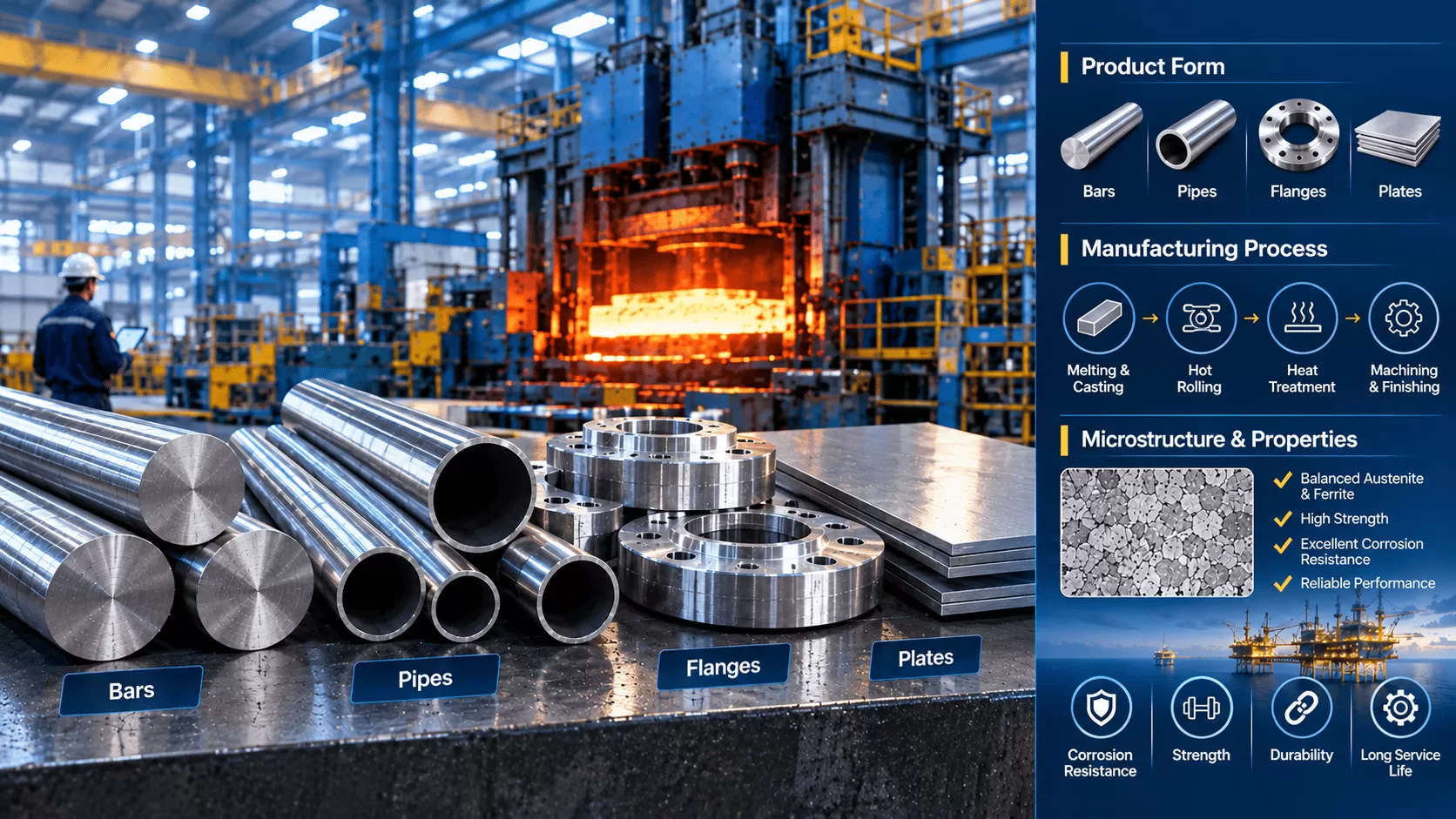
17-4PH is available in several product forms, including round bars, plates, sheets, and forgings. The correct form depends on the component design, machining allowance, required mechanical properties, and delivery condition.
Visit our 17-4PH stainless steel material page for additional technical information. You can also explore our product ranges:
When requesting a quotation, buyers should provide the required dimensions, quantity, applicable material standard, heat-treatment condition, and inspection requirements. Specifying the intended H-condition is particularly important because it directly affects the mechanical properties of the supplied material.