EN 1.4435 and 316L stainless steel are both low-carbon austenitic chromium-nickel-molybdenum stainless steels. EN 1.4435, designated X2CrNiMo18-14-3, is a higher-alloyed grade commonly compared with EN 1.4404 (316L).
Although the two materials share many characteristics, differences in nickel, molybdenum, and sulfur content can influence their corrosion resistance and suitability for demanding applications. Understanding these differences helps engineers select the appropriate grade for chemical processing, pharmaceutical equipment, and other industrial environments.
EN 1.4435 and 316L belong to the same general family of low-carbon austenitic stainless steels. Their chemical compositions and physical properties are relatively similar, but they are not identical material designations.
EN 1.4404 is commonly associated with 316L stainless steel, while EN 1.4435 has a higher minimum nickel and molybdenum content. These compositional differences make 1.4435 a potential choice when more demanding material requirements are specified.
The two grades should not automatically be treated as interchangeable. The applicable product standard, chemical composition limits, and mechanical property requirements must be checked before substitution.
The main compositional differences between these grades are found in their chromium, nickel, molybdenum, and sulfur limits.
| Element | AISI 316L / EN 1.4404 (%) | EN 1.4435 (%) |
|---|---|---|
| Carbon (C) | ≤ 0.030 | ≤ 0.030 |
| Chromium (Cr) | 16.0–18.5 | 17.0–19.0 |
| Nickel (Ni) | 10.0–14.0 | 12.5–15.0 |
| Molybdenum (Mo) | 2.0–3.0 | 2.5–3.0 |
| Sulfur (S) | ≤ 0.030 | ≤ 0.015 |
The higher minimum nickel and molybdenum contents are important distinctions. Molybdenum contributes to resistance against localized corrosion, while nickel helps stabilize the austenitic structure. The lower sulfur limit of 1.4435 may also be relevant when specific material quality and manufacturing requirements apply.
These figures are comparative reference ranges. Actual chemical composition limits should always be verified against the applicable EN or ASTM product standard and the material test certificate.
One method of comparing the pitting corrosion resistance of stainless steels is the Pitting Resistance Equivalent Number (PREN). It provides an indicative comparison based on the alloy's chromium, molybdenum, and nitrogen content.
Comparative reference data indicate a PREN value of approximately 26 for AISI 316L and 28 for EN 1.4435. The slightly higher reference value for 1.4435 is consistent with its higher minimum molybdenum content.
A higher PREN generally indicates better resistance to pitting corrosion. However, it does not guarantee performance in every service environment. Temperature, chloride concentration, surface finish, welding condition, and actual chemical composition should also be considered.
For pharmaceutical processing and high-purity equipment, control of the material's microstructure and delta ferrite content can be important.
Some EN 1.4435 specifications include additional requirements for low ferrite content, particularly where welding performance, corrosion resistance, and surface quality are critical. However, these requirements are not automatically included in every 1.4435 supply specification.
When low ferrite content is necessary, buyers should clearly state the required limit and inspection method in the purchasing specification.
316L / EN 1.4404 is widely used and commonly available for general industrial applications. It is often a cost-effective option when its corrosion resistance and mechanical properties meet the project requirements.
EN 1.4435 is generally selected for applications requiring higher minimum alloy content or additional material controls. Its more specific composition requirements may affect availability and purchasing cost.
Despite their differences in chemical composition, AISI 316L and EN 1.4435 share many physical characteristics. Both are austenitic stainless steels with comparable density, elastic modulus, and thermal behavior.
| Physical Property | AISI 316L | EN 1.4435 |
|---|---|---|
| Density (g/cm³) | Approximately 7.9 | Approximately 7.9 |
| Young's Modulus (GPa) | Approximately 200 | Approximately 200 |
| Thermal Expansion (µm/m·K) | Approximately 16 | Approximately 16 |
These similarities mean that the two grades can exhibit comparable physical behavior in many engineering designs. However, their different chemical composition limits and product specifications still need to be considered when selecting a material.
Both grades are used in industries where corrosion resistance, cleanliness, and fabrication performance are important. Their selection depends on the operating environment and project specifications.
In pharmaceutical and bioprocess facilities, material selection may also involve requirements for surface finish, weld quality, cleanability, and corrosion resistance. These factors should be considered alongside the nominal grade designation.
The choice between 316L and EN 1.4435 depends on the required corrosion resistance, material specification, operating environment, and purchasing requirements.
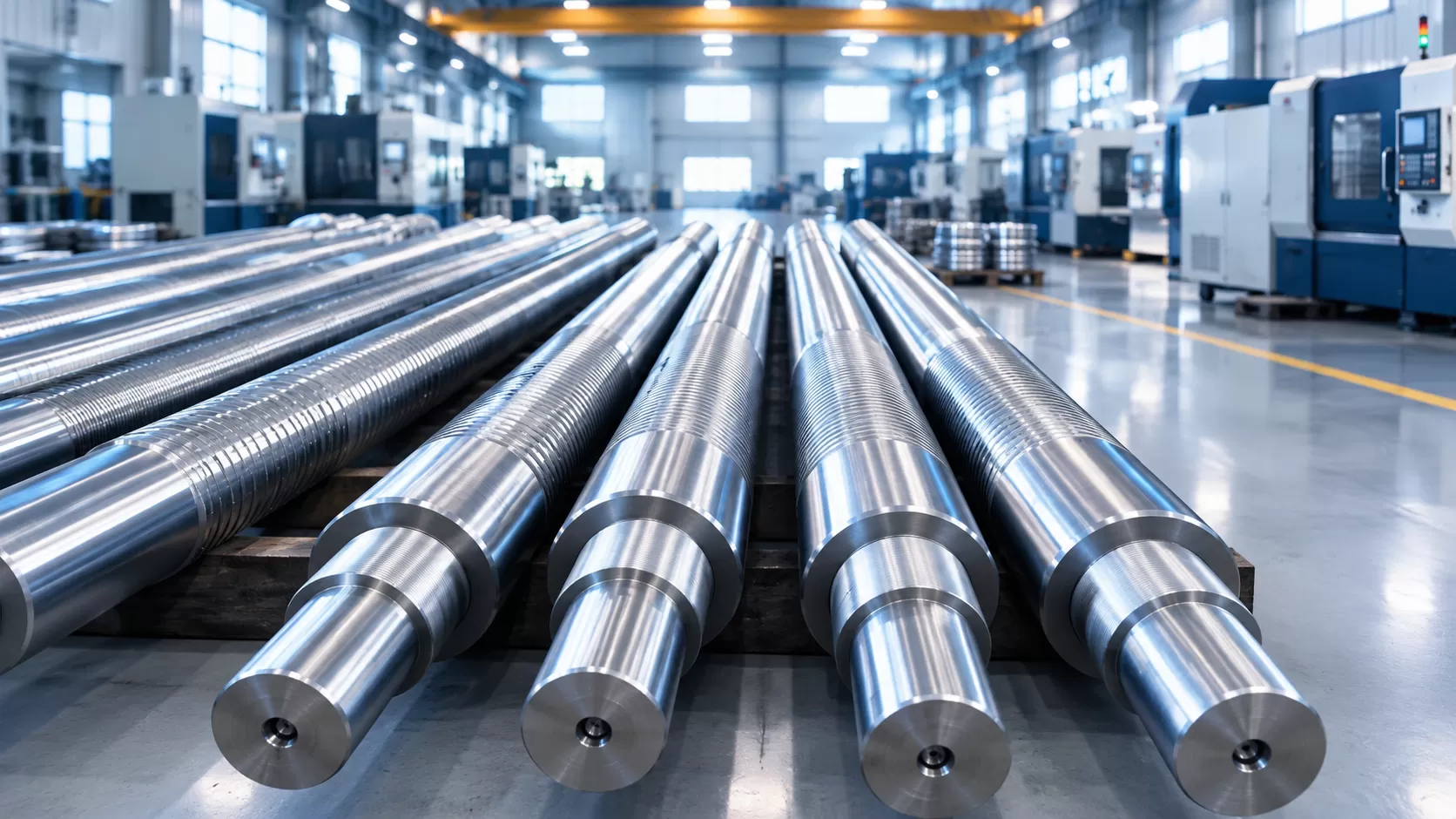
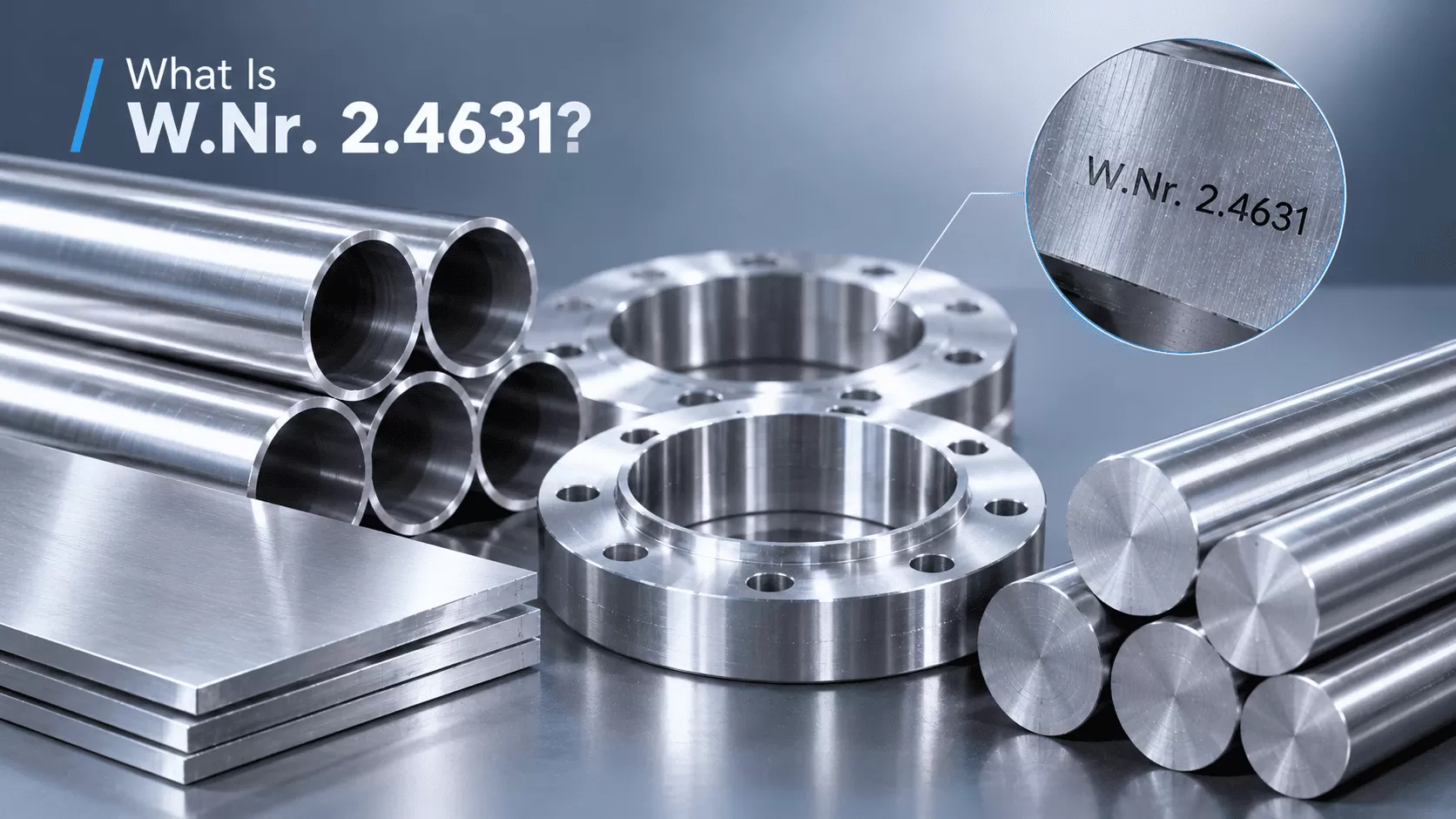
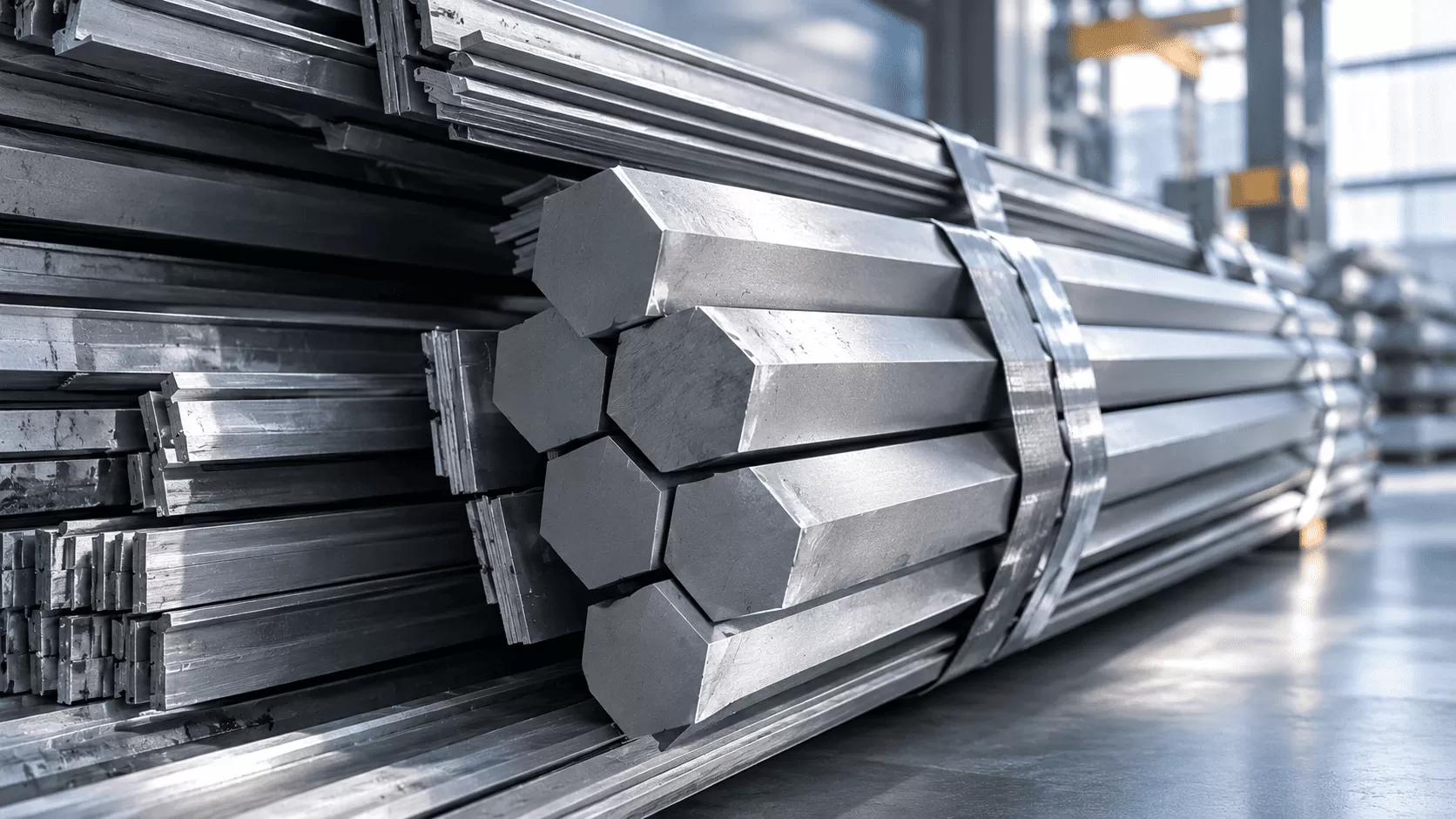
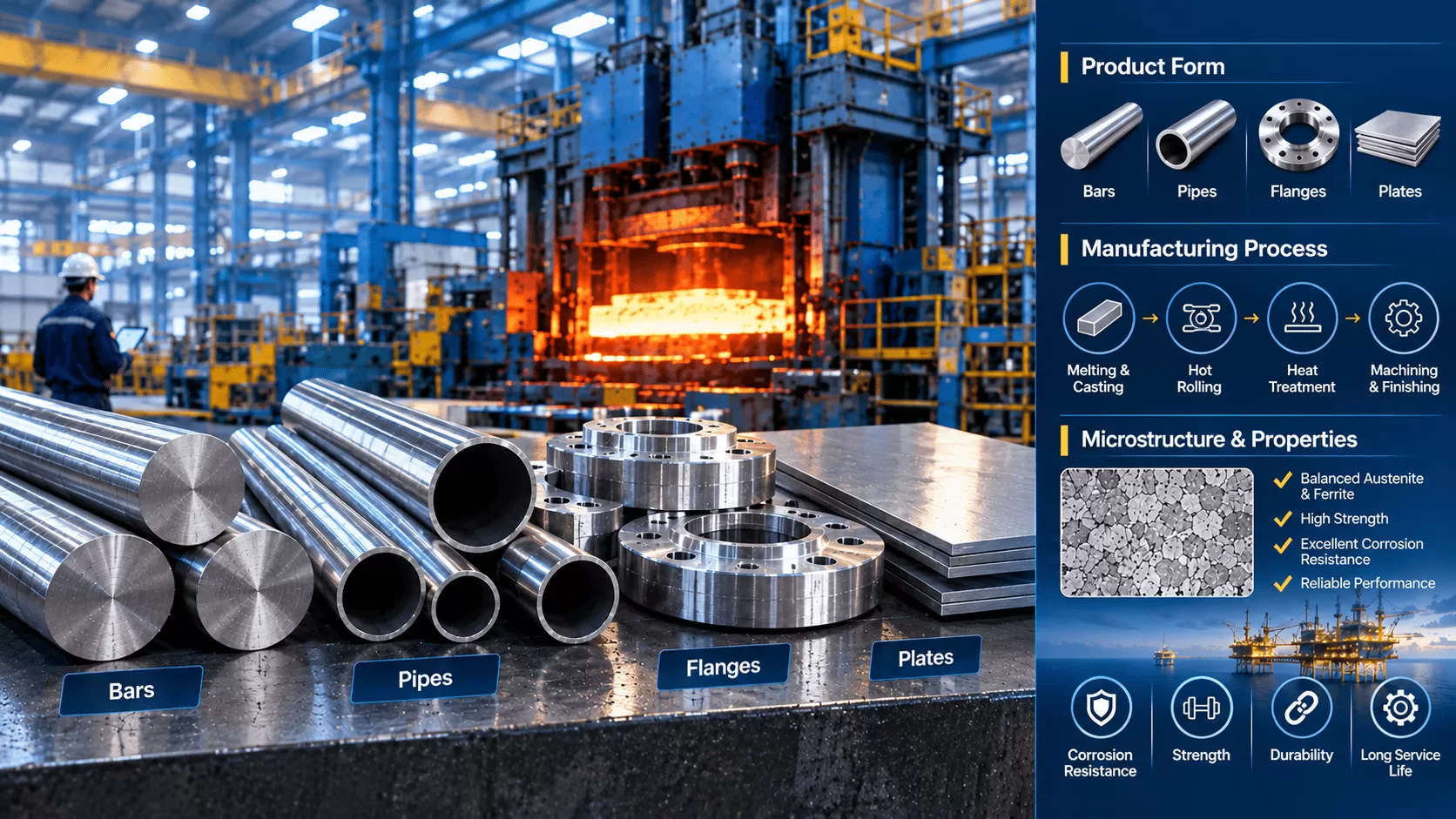
Both 1.4435 and 316L stainless steel can be supplied in different product forms depending on the applicable standard and manufacturing requirements. Common forms include round bars, plates, sheets, and customized dimensions.
Explore our stainless steel bar and stainless steel plate product ranges for available material forms.
When requesting a quotation for 1.4435 or 316L stainless steel, buyers should provide the exact grade designation, applicable standard, product form, dimensions, quantity, delivery condition, and inspection requirements.
For demanding applications, additional requirements such as ferrite content, surface finish, welding requirements, and material certification should also be clearly specified.
Providing complete technical information helps ensure that the supplied material meets the intended application and project requirements.



25th floor, C3 Building, Wanda Plaza, Kaifu District, Changsha, Hunan Province, China
 en
 ko
 ru
 es
 ar
 hi