Inconel, Hastelloy, and Monel are among the most widely used families of nickel-based alloys in demanding industrial environments. Although they are often grouped together under the general category of “nickel alloys,” each material family is engineered to solve very different engineering challenges.
Selecting the wrong alloy can lead to premature corrosion, mechanical failure, or unnecessary cost. This guide explains the key differences between Inconel, Hastelloy, and Monel from a practical engineering perspective, including composition, performance characteristics, and real-world applications to help engineers and procurement teams make informed decisions.
Nickel provides excellent corrosion resistance, strong mechanical properties across a wide temperature range, and a stable austenitic structure. However, the performance of each alloy depends largely on secondary alloying elements such as chromium, molybdenum, copper, and iron.
Each alloy family emphasizes a different performance priority:
(1) Inconel → High-temperature strength and oxidation resistance
(2) Hastelloy → Resistance to aggressive chemical corrosion
(3) Monel → Marine and alkaline environment durability
Understanding these priorities is critical for proper material selection.
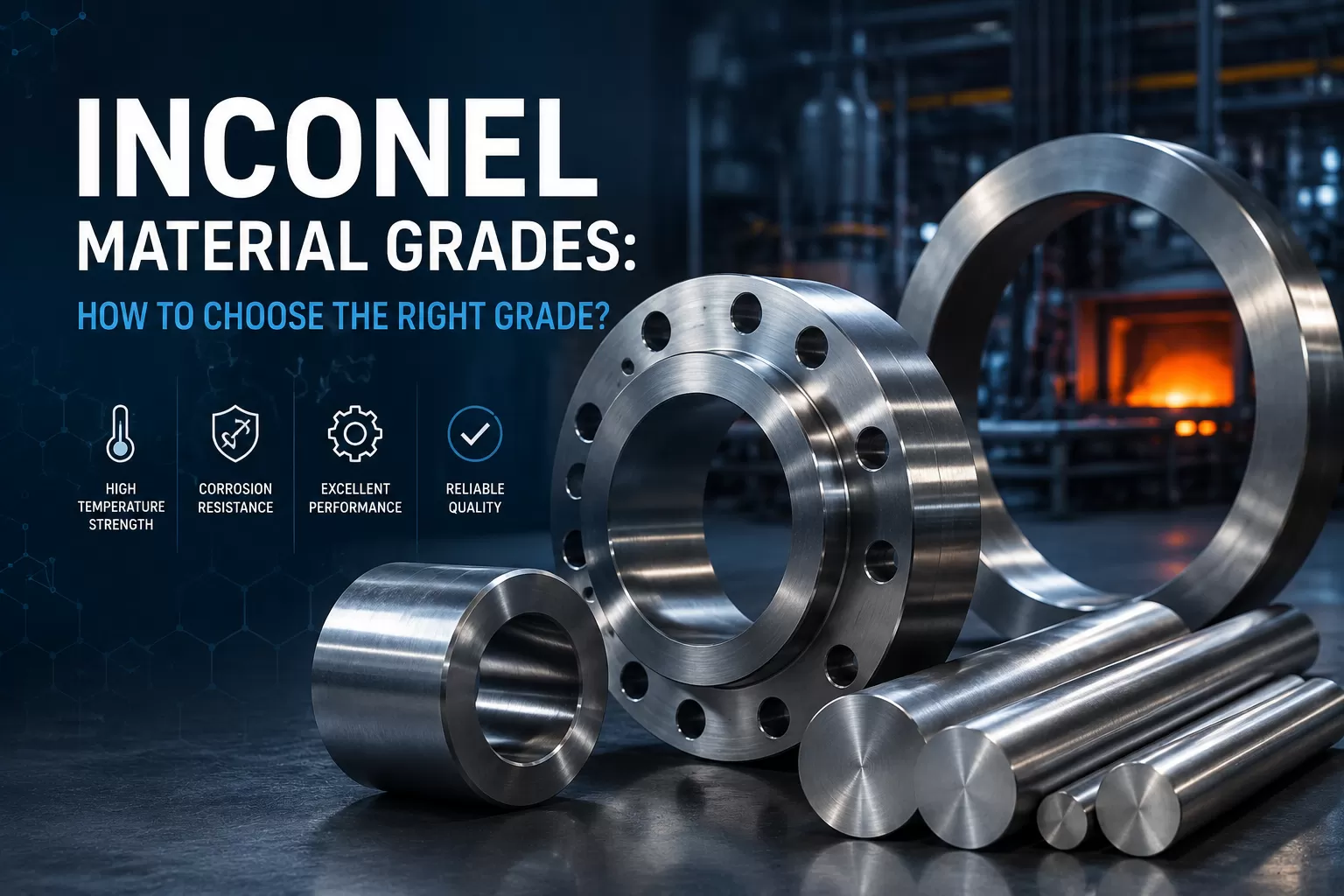
Inconel alloys are primarily nickel-chromium based, often containing iron, molybdenum, and niobium. Their defining characteristic is the ability to maintain mechanical strength and resist oxidation at elevated temperatures.
Outstanding resistance to oxidation and carburization
High strength at temperatures up to ~700°C (grade dependent)
Excellent resistance to thermal fatigue and cycling
Good resistance to chloride stress corrosion cracking
Stable microstructure under prolonged heat exposure
Inconel 600 — General high-temperature corrosion resistance
Inconel 625 — Excellent fatigue and oxidation resistance
Inconel 718 — Precipitation-hardened high-strength alloy
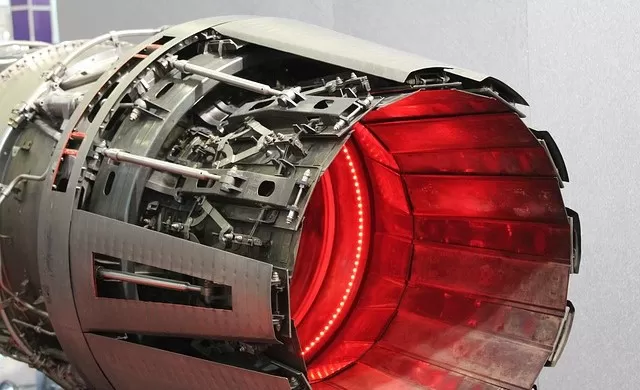
Aerospace engine components
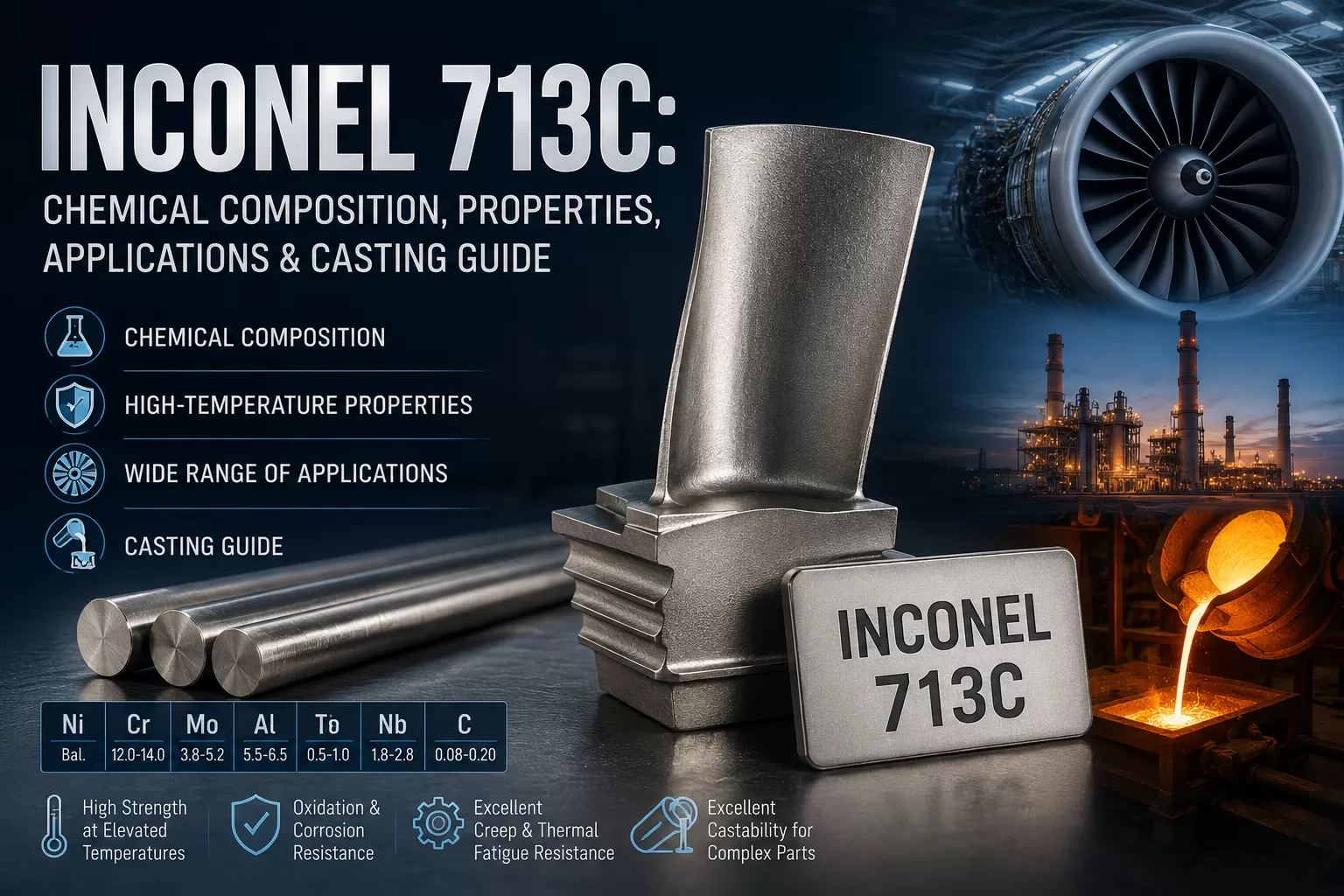
Gas turbine blades and discs
Nuclear steam generators
High-temperature heat exchangers
Industrial furnaces
In turbine environments where both heat and mechanical stress are present, Inconel 718 is frequently selected because it retains strength while resisting creep deformation.
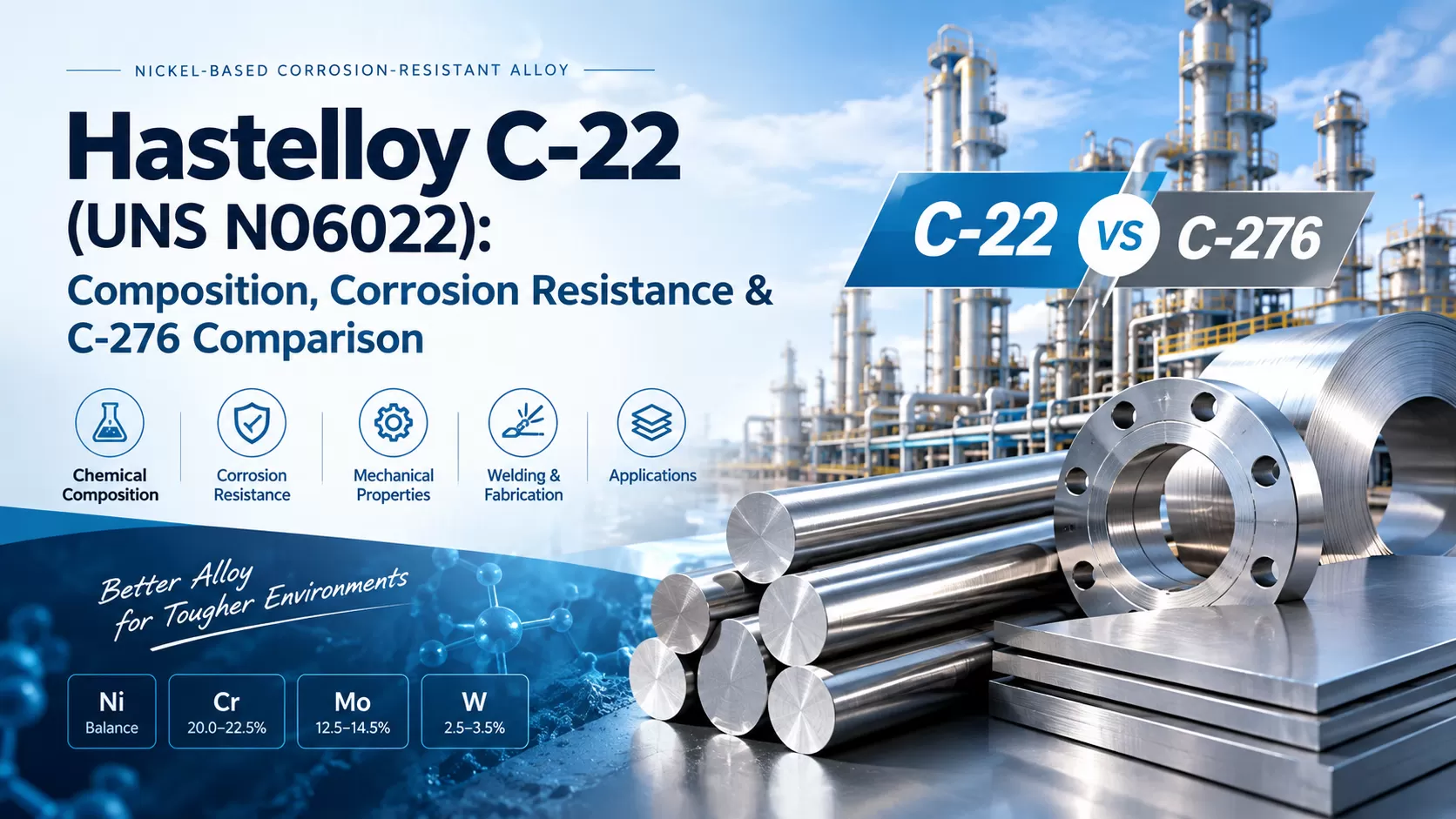
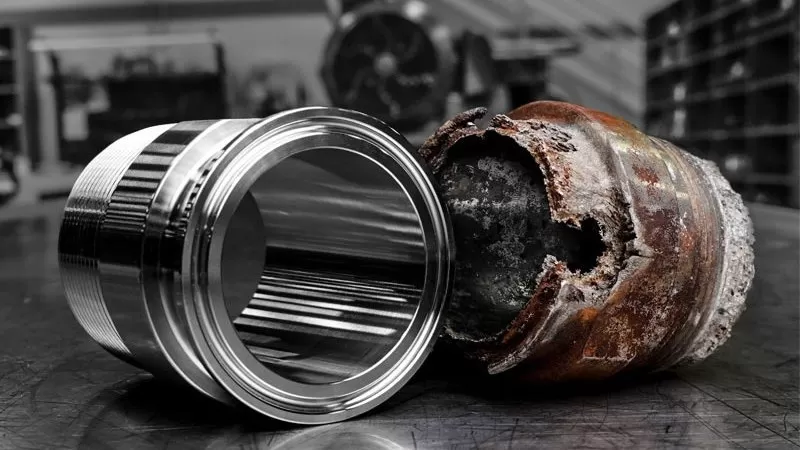
Hastelloy alloys are nickel-chromium-molybdenum materials developed to withstand highly corrosive chemical environments. Their high molybdenum content significantly improves resistance to pitting and crevice corrosion.
Exceptional resistance to strong acids
Performance in both oxidizing and reducing environments
Superior resistance to localized corrosion
Excellent resistance to stress corrosion cracking
Good weldability in many grades
Hastelloy C-276 — Broad corrosion resistance across many acids
Hastelloy C-22 — Excellent resistance to oxidizing chemicals
Chemical reactors and pressure vessels
Acid handling systems
Pollution control equipment
Pharmaceutical processing plants
Flue gas scrubbers
In mixed acid environments where stainless steel fails due to pitting, Hastelloy C-276 often provides long service life with minimal maintenance.
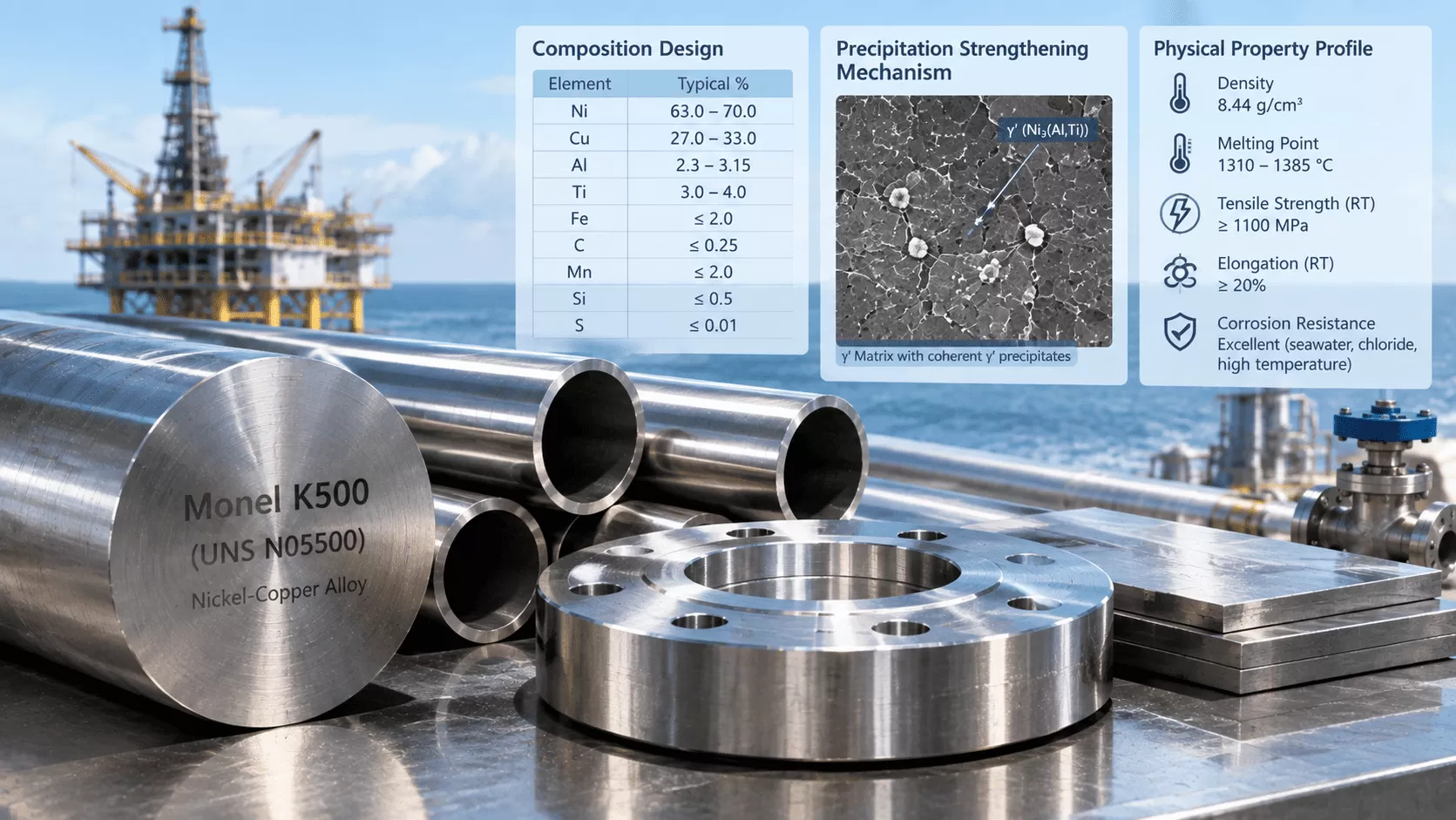
Monel alloys are primarily nickel-copper materials with relatively low chromium content. This composition provides exceptional resistance to seawater corrosion and alkaline solutions.
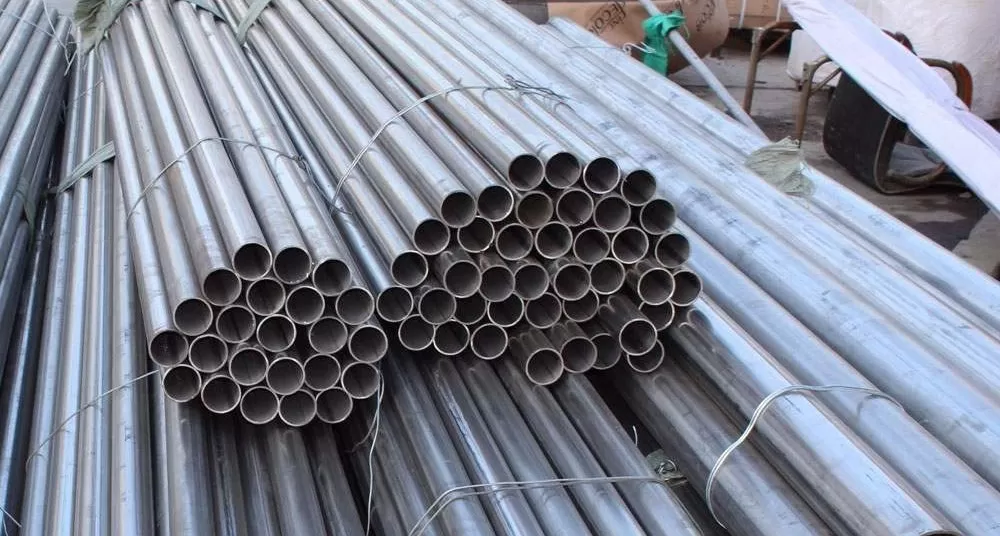
Excellent resistance to seawater and salt spray
Strong resistance to biofouling
Good mechanical strength and toughness
Excellent resistance to hydrofluoric acid
Limited oxidation resistance at high temperatures
Monel 400 — Widely used in marine and offshore engineering
Marine piping systems
Offshore platforms
Seawater heat exchangers
Pump shafts and valves
Chemical processing involving fluorides
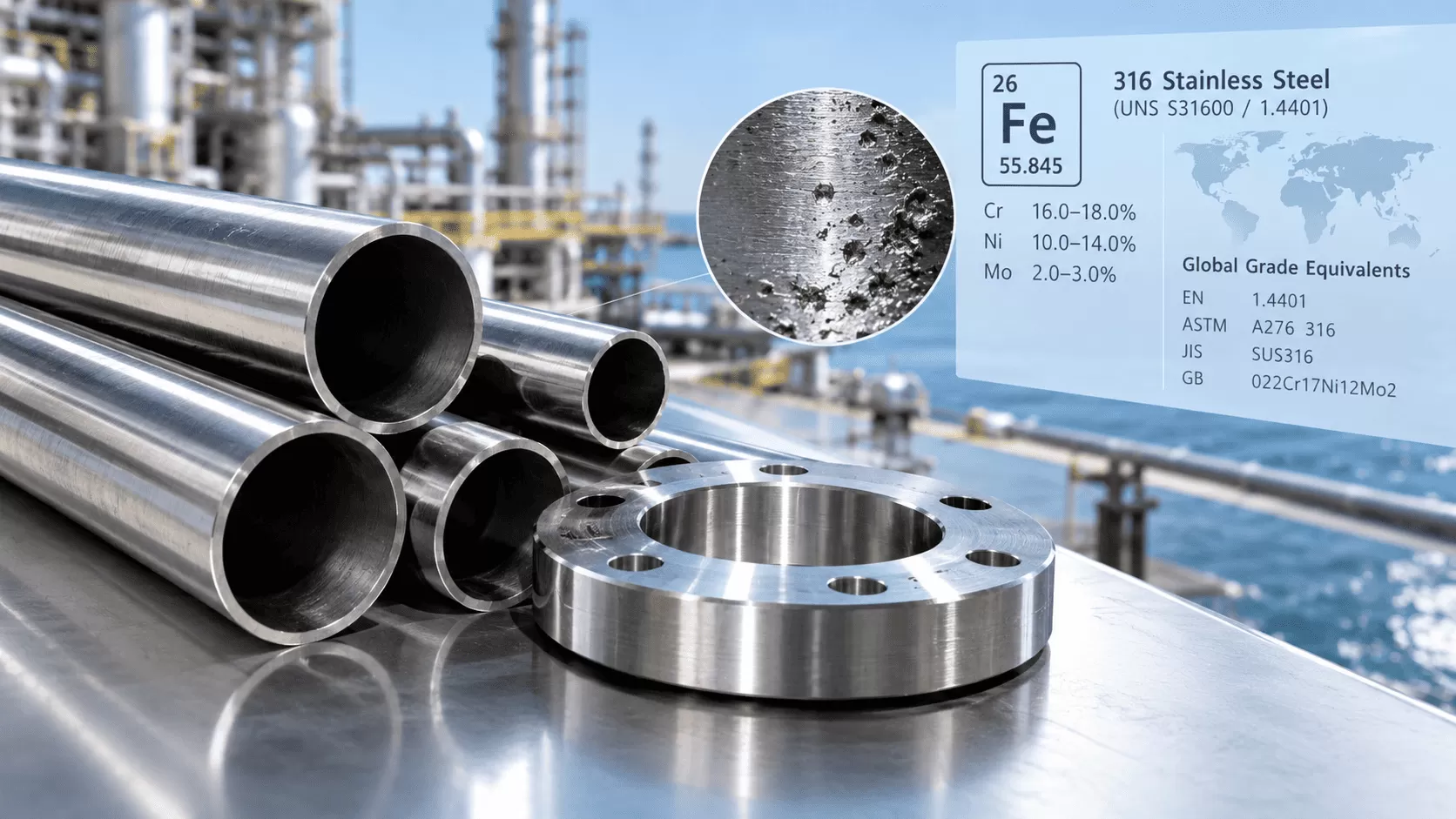
In continuous seawater exposure, Monel 400 often outperforms stainless steels due to its resistance to chloride-induced corrosion.
| Feature | Inconel | Hastelloy | Monel |
|---|---|---|---|
| Primary Strength | High-temperature performance | Chemical corrosion resistance | Marine corrosion resistance |
| Main Alloying Elements | Ni-Cr | Ni-Cr-Mo | Ni-Cu |
| Acid Resistance | Moderate | Excellent | Limited |
| Seawater Resistance | Good | Good | Excellent |
| High Temperature Oxidation | Excellent | Good | Poor |
| Relative Cost | High | Very high | Moderate |
Material selection should always be driven by operating conditions rather than brand familiarity.
Operating temperatures exceed 500°C
Thermal fatigue is expected
Oxidation resistance is critical
High mechanical strength is required
Exposure to strong acids is expected
Mixed chemical environments exist
Pitting corrosion risk is high
Long corrosion life is required
Continuous seawater exposure occurs
Alkaline environments are present
Marine biofouling is a concern
Moderate strength with high corrosion resistance is needed
Avoiding these mistakes can significantly extend equipment life:
1. Using Inconel in concentrated acid service → Rapid corrosion risk
2. Selecting Monel for high-temperature oxidation environments → Material degradation
3. Choosing Hastelloy for purely high-temperature applications → Unnecessary cost
4. Ignoring chloride stress corrosion cracking risks
Although Inconel, Hastelloy, and Monel are all nickel-based alloys, they are engineered to solve fundamentally different problems. Inconel dominates high-temperature environments, Hastelloy excels in aggressive chemical corrosion, and Monel remains a leading choice for marine and alkaline conditions.
Understanding these distinctions ensures safer operation, longer equipment lifespan, and more cost-effective material selection.
Inconel is optimized for high-temperature strength and oxidation resistance, while Hastelloy is designed primarily for severe chemical corrosion environments.
Yes, Monel generally offers superior resistance to chloride corrosion and biofouling compared to most stainless steels.
Its high molybdenum content and specialized corrosion resistance properties increase both raw material and processing costs.
Hastelloy grades such as C-276 typically provide the best performance in strong acid conditions.
2026-09-20 00:00:00
2026-09-18 00:00:00
2026-09-04 16:07:31



25th floor, C3 Building, Wanda Plaza, Kaifu District, Changsha, Hunan Province, China
 en
en
 ko
ko
 ru
ru
 es
es
 ar
ar
 hi
hi