When it comes to selecting materials for high-performance applications, the decision between nickel alloys and titanium alloys can be a complex one. Both of these materials are widely used in industries like aerospace, automotive, and manufacturing due to their exceptional strength, corrosion resistance, and ability to withstand extreme conditions. However, the choice between the two depends on various factors including the specific application, operating conditions, and cost considerations. This article will provide an in-depth comparison of nickel alloys and titanium alloys, examining their properties, advantages, and ideal applications to help you make the right decision for your project.
Nickel alloys are metals that primarily consist of nickel along with other elements like iron, chromium, and copper. These alloys are known for their outstanding resistance to corrosion, especially in high-temperature and high-pressure environments. Nickel-based alloys are particularly useful in environments where oxidation, erosion, and corrosion are prevalent, such as in chemical processing, power generation, and marine industries.
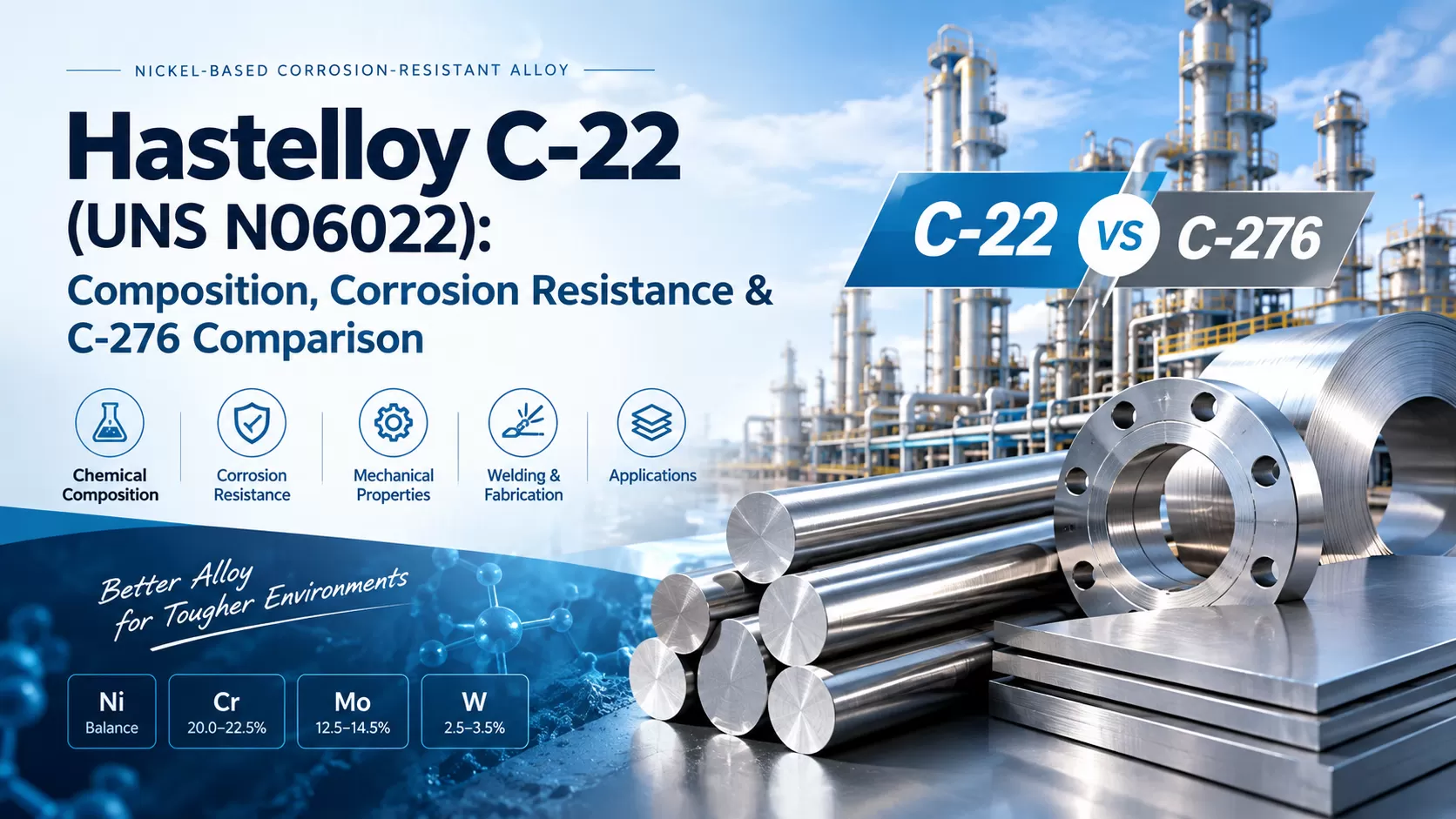
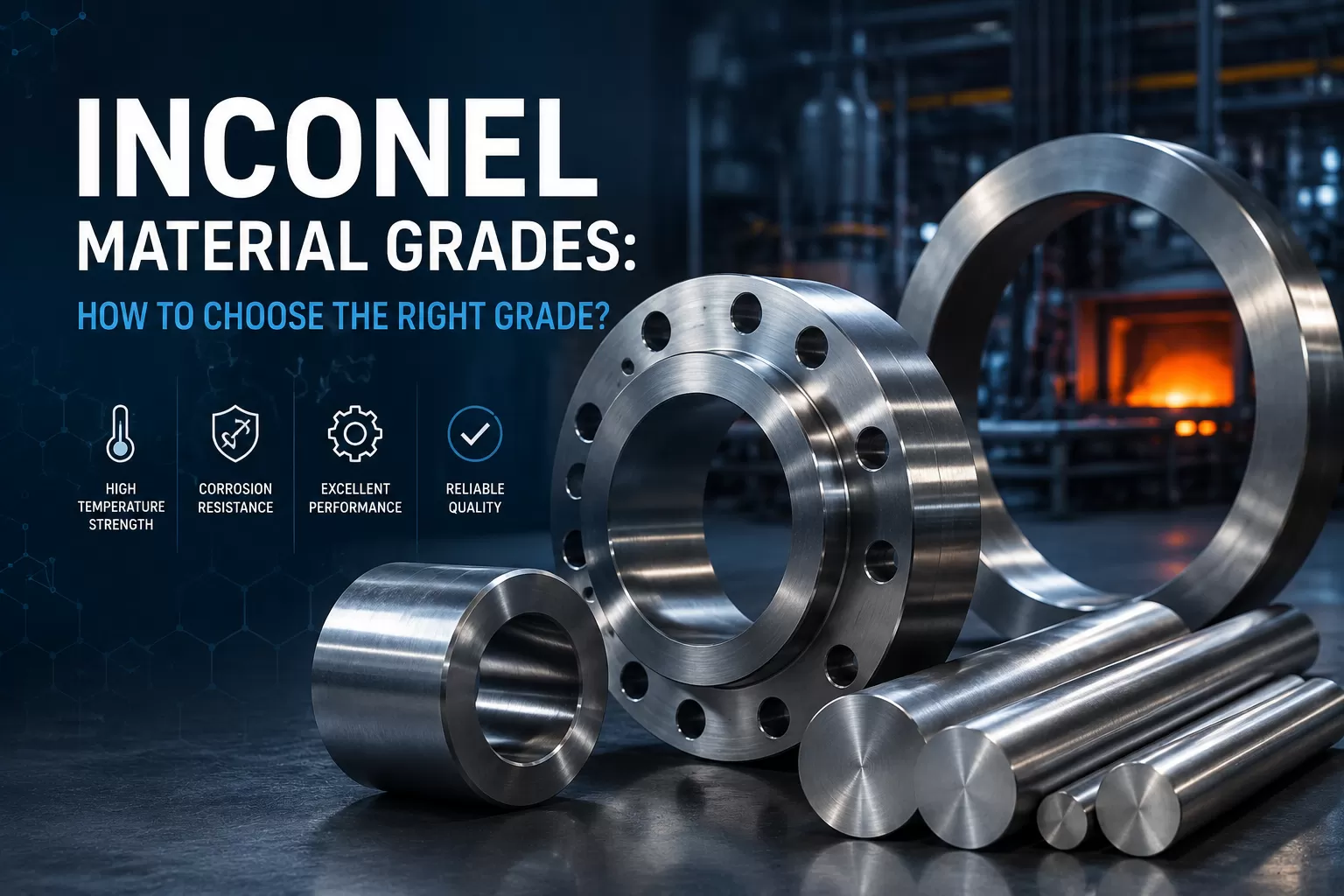
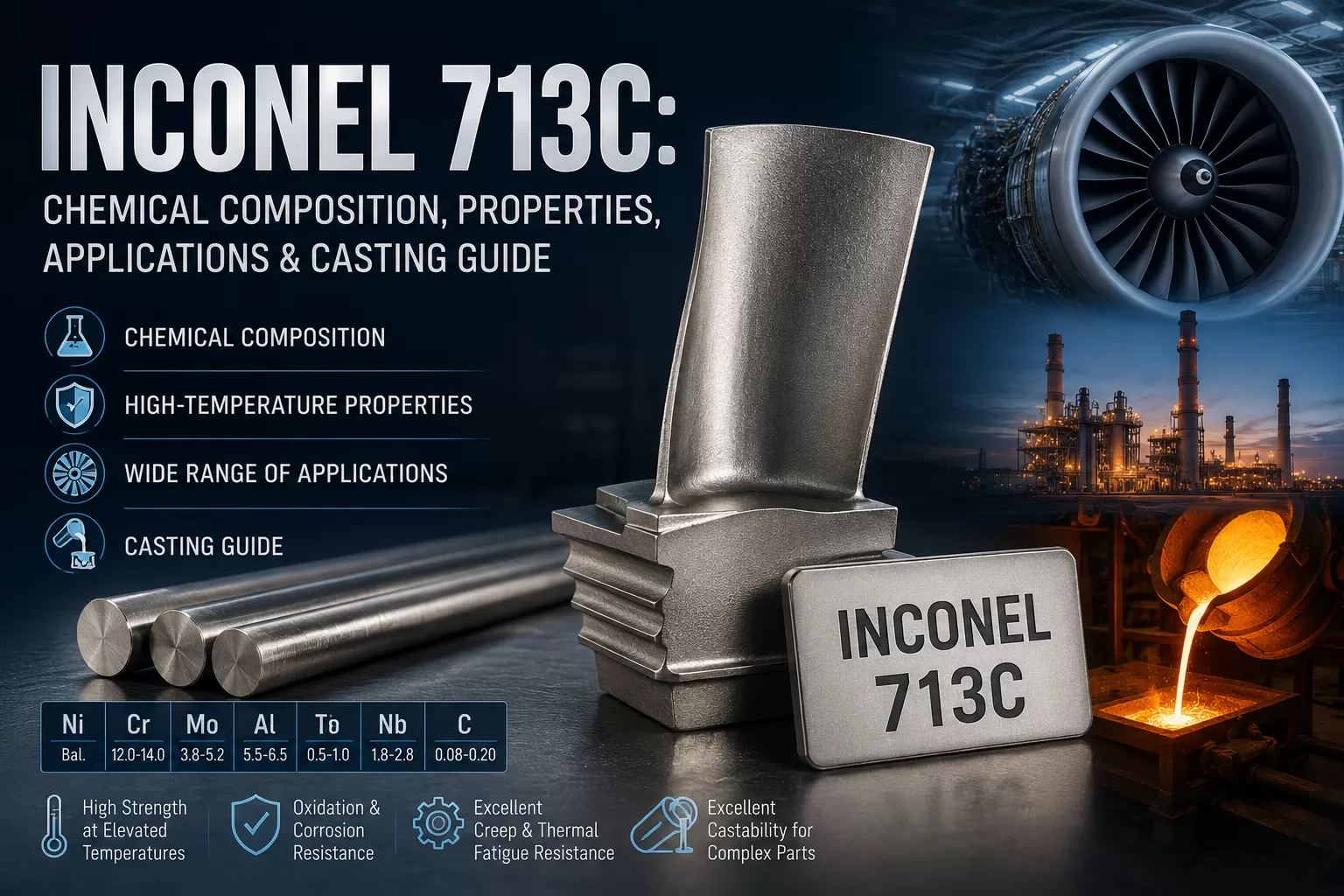
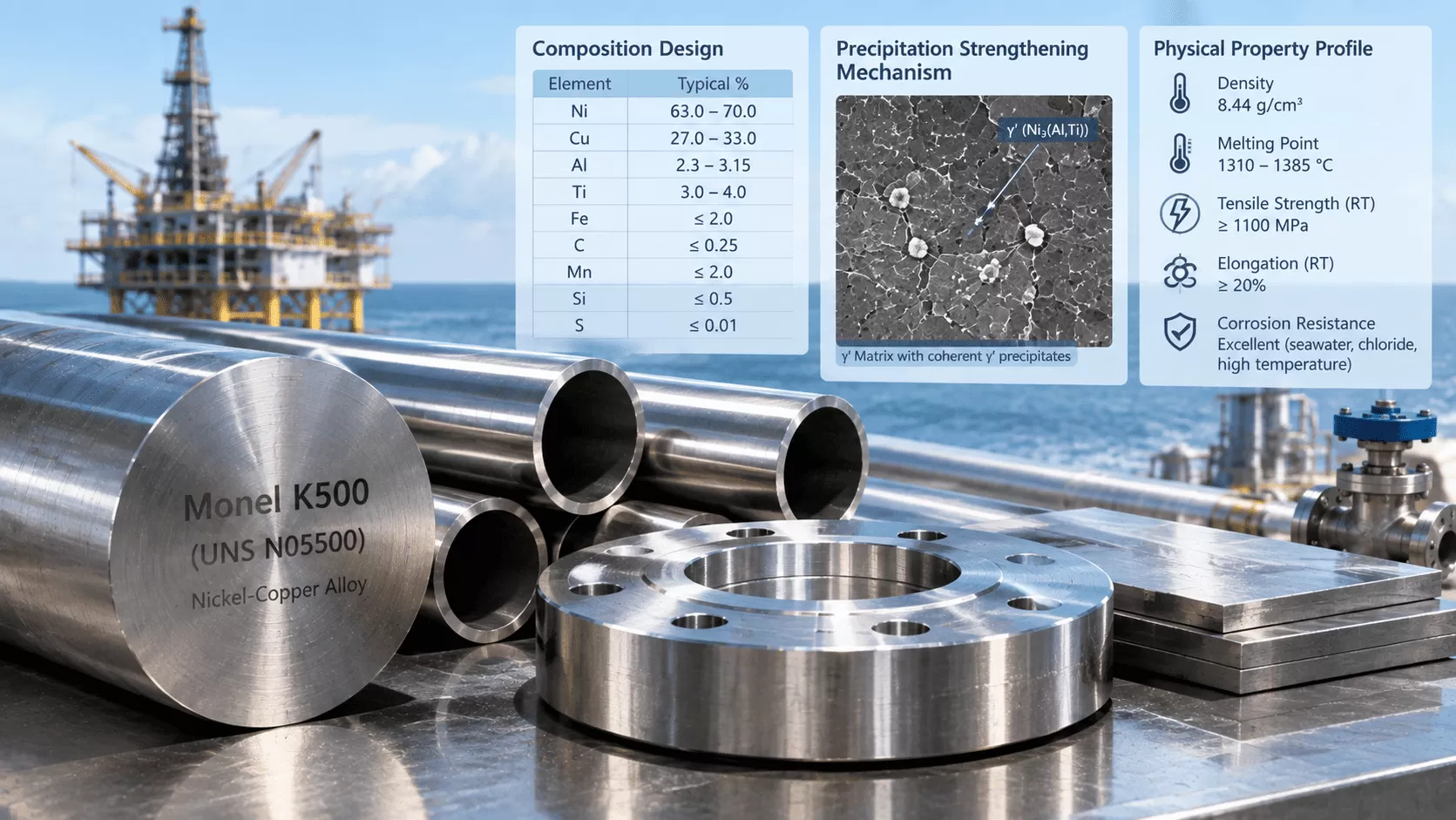
Nickel alloys include types such as Inconel, Monel, and Hastelloy, which are designed to perform well under extreme conditions. Inconel, for instance, is known for its ability to maintain its strength and oxidation resistance at high temperatures, making it ideal for turbine blades and exhaust systems in aerospace.
Titanium alloys are metals composed mainly of titanium along with various other elements, most commonly aluminum, vanadium, and molybdenum. Titanium itself is known for its lightweight nature, high strength-to-weight ratio, and excellent corrosion resistance, particularly in chloride environments. It is also biocompatible, which makes it a preferred material for medical implants and prosthetics.
The two primary types of titanium alloys are alpha alloys and beta alloys. Alpha alloys are typically used in applications that require excellent weldability and corrosion resistance, while beta alloys are favored for their high strength and excellent machinability. Titanium alloys are widely used in aerospace, medical, and automotive industries due to their remarkable properties.
Nickel alloys are generally stronger than titanium alloys at higher temperatures. They can withstand extreme conditions, including high-pressure environments, and retain their strength even in the presence of aggressive chemicals. This makes them ideal for applications like gas turbines and industrial furnaces.
On the other hand, titanium alloys are known for their high strength-to-weight ratio. They are lightweight yet strong, which makes them ideal for applications where reducing weight is a critical factor. Titanium’s ability to maintain strength while being light is why it is so commonly used in aerospace and medical applications, where performance and weight are equally important.
Both nickel alloys and titanium alloys are highly resistant to corrosion, but in different environments. Nickel alloys are exceptional in high-temperature, high-pressure, and chemical environments. They are particularly suited for applications where exposure to harsh chemicals and oxidizing conditions is frequent. For example, Hastelloy alloys are widely used in chemical processing plants due to their resistance to corrosion by acids and alkalis.
Titanium alloys, on the other hand, excel in corrosion resistance in saltwater environments. Titanium is highly resistant to corrosion caused by chlorine, making it a go-to material for the marine and chemical industries. In fact, titanium is often preferred in applications where it will be exposed to seawater or other chloride-rich environments.
Titanium alloys are lighter than nickel alloys, which is a key advantage when weight reduction is crucial. The aerospace industry, for example, takes full advantage of titanium alloys because they offer the strength required for aircraft parts while significantly reducing weight. This directly contributes to fuel efficiency and overall performance.
Nickel alloys, being denser, do not offer the same weight advantages. However, their strength at high temperatures makes them irreplaceable in many critical applications, despite the added weight.
Nickel alloys are generally more affordable than titanium alloys. While the exact cost can vary depending on the alloy and its specific composition, titanium alloys tend to be significantly more expensive due to the cost of extraction and processing. For projects with a tight budget, nickel alloys may be the more economical choice, especially for high-strength applications where weight isn’t as critical.
However, when long-term performance and durability are a priority, the initial cost of titanium alloys may be justified. Titanium alloys often offer a longer service life, reducing maintenance and replacement costs over time.
Titanium alloys are known for their excellent machinability, particularly beta alloys, which are easier to machine compared to nickel alloys. However, machining titanium requires special tools and techniques due to its toughness and tendency to work-harden.
Nickel alloys, on the other hand, are often more difficult to machine due to their hardness and strength at high temperatures. However, they are available in a variety of forms that can be pre-treated for easier machining. This makes nickel alloys a good choice for applications that require more intricate parts that can handle high-stress environments.
Nickel alloys are typically chosen for applications where high strength, resistance to high temperatures, and the ability to withstand corrosion are crucial. Some ideal uses include:
Gas Turbines and Jet Engines: Nickel alloys like Inconel are used in high-temperature areas where strength and resistance to thermal expansion are essential.
Chemical Processing: Alloys such as Hastelloy are used in environments exposed to corrosive chemicals.
Marine Applications: Nickel alloys provide excellent corrosion resistance in seawater, making them suitable for marine equipment.
Power Generation: Due to their ability to withstand extreme temperatures, nickel alloys are commonly used in power plants and nuclear reactors.
Titanium alloys are the preferred choice for applications where lightweight, corrosion resistance, and strength are needed. Some ideal applications include:
Aerospace: Titanium alloys are used in aircraft parts, rockets, and spacecraft due to their high strength-to-weight ratio.
Medical Implants: Titanium’s biocompatibility and resistance to corrosion make it ideal for implants like joint replacements and dental implants.
Marine Engineering: Titanium alloys are resistant to seawater corrosion, making them ideal for marine equipment.
Automotive: In racing cars and performance vehicles, titanium alloys are used for their ability to reduce weight without sacrificing strength.
The choice between nickel alloys and titanium alloys depends on the specific requirements of your application. If high temperature resistance, strength under pressure, and corrosion resistance in chemical environments are important, nickel alloys are the better choice. On the other hand, if you need a material that offers exceptional strength while being lightweight, titanium alloys are the way to go.
Consider factors like cost, weight constraints, and the operating environment when making your decision. In some cases, a combination of both alloys might be the optimal solution for a highly specialized application.
Ultimately, selecting the right material is critical to the success of your project, and understanding the unique properties of nickel and titanium alloys will ensure that you make an informed and effective choice.
2026-09-20 00:00:00
2026-09-18 00:00:00
2026-09-04 16:07:31



25th floor, C3 Building, Wanda Plaza, Kaifu District, Changsha, Hunan Province, China
 en
en
 ko
ko
 ru
ru
 es
es
 ar
ar
 hi
hi