Nickel alloys are widely known for their excellent corrosion resistance, high-temperature strength, and durability. They are commonly used in demanding environments such as chemical processing, aerospace, marine engineering, and power generation. However, a frequently asked question in the materials and engineering community is: Do nickel alloys corrode?
The short answer is yes—nickel alloys can corrode, but their corrosion behavior is significantly different from that of ordinary steels or other common metals. This article explores how and why nickel alloys corrode, the types of corrosion they may experience, and how their corrosion resistance can be optimized.
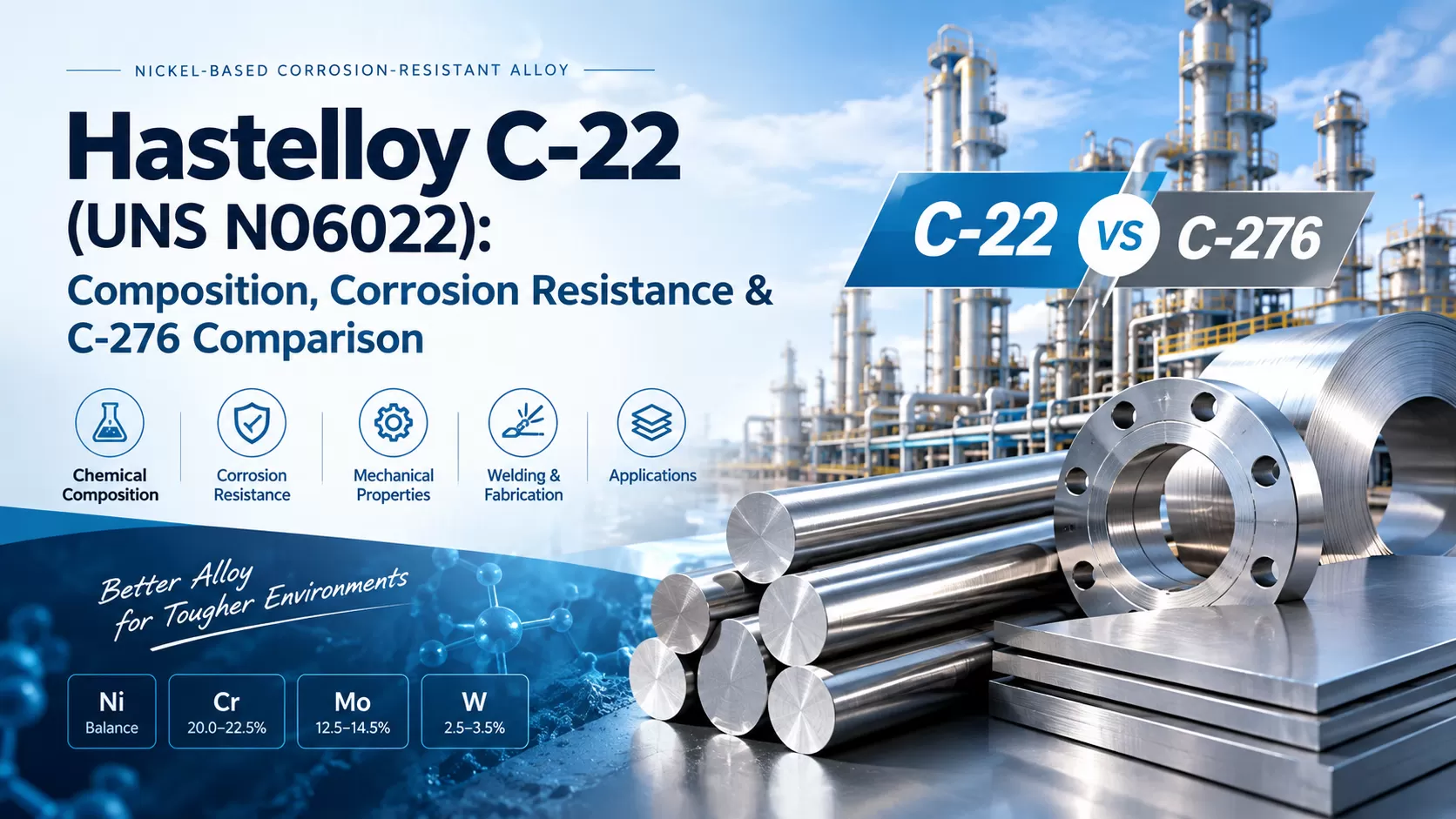
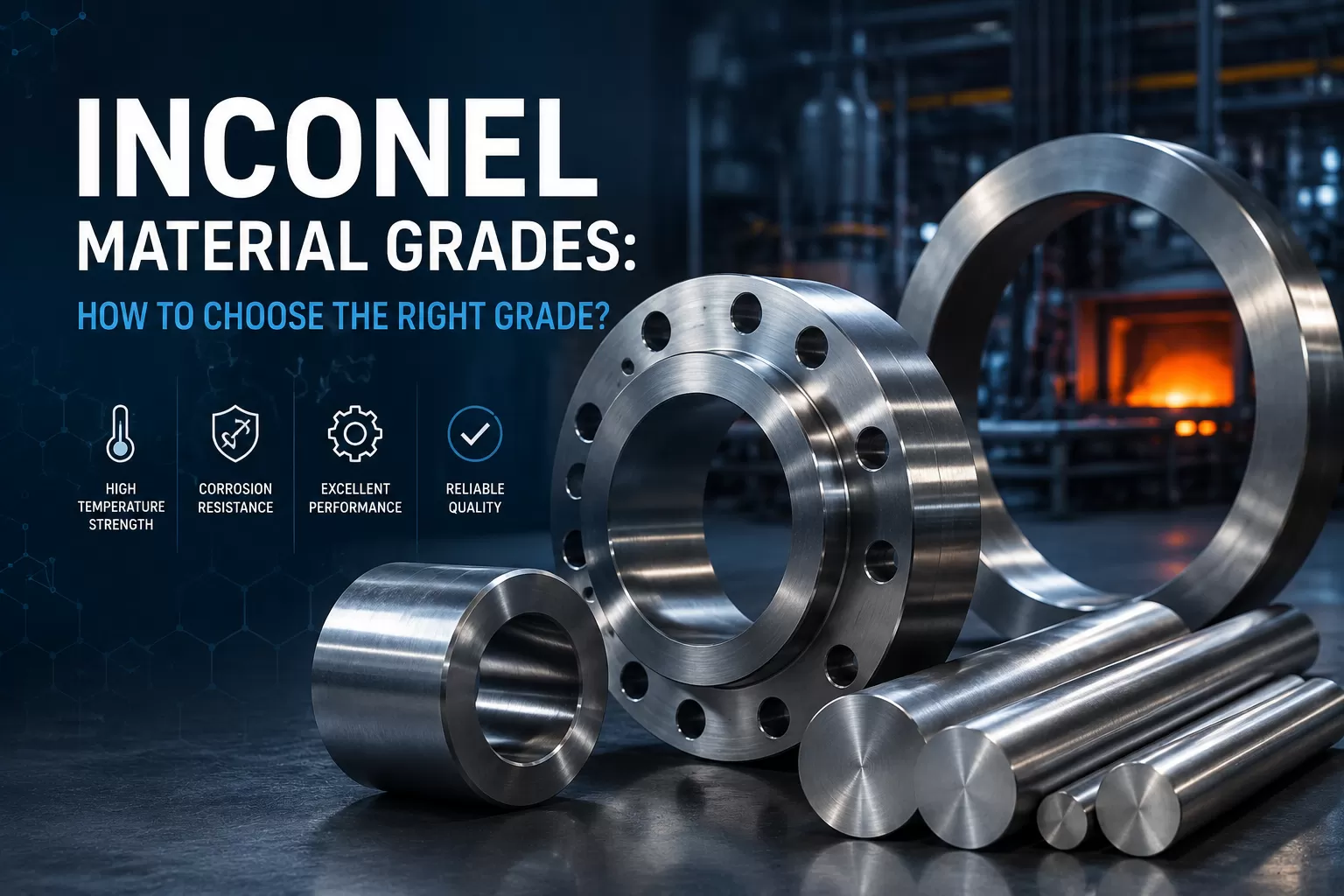
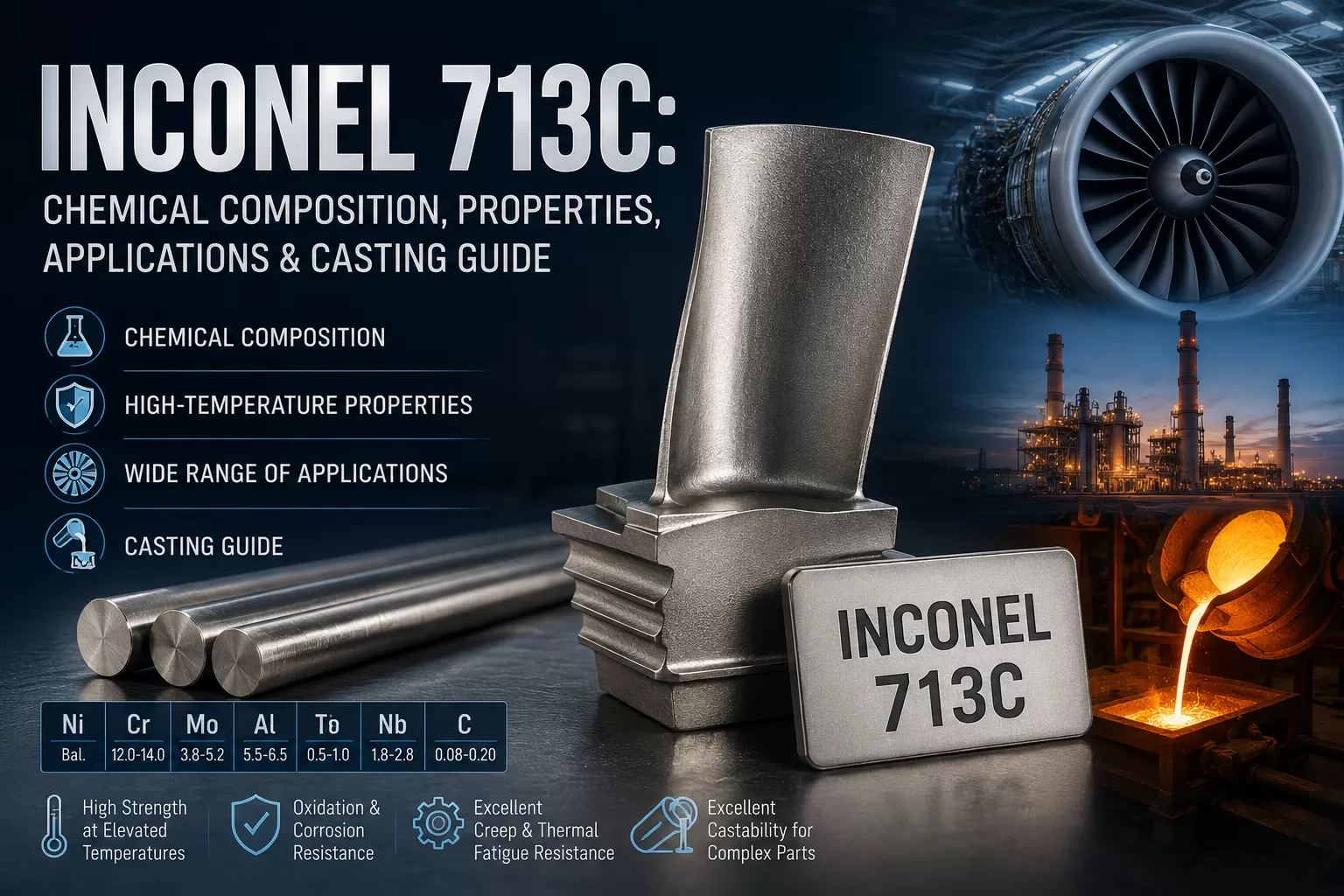
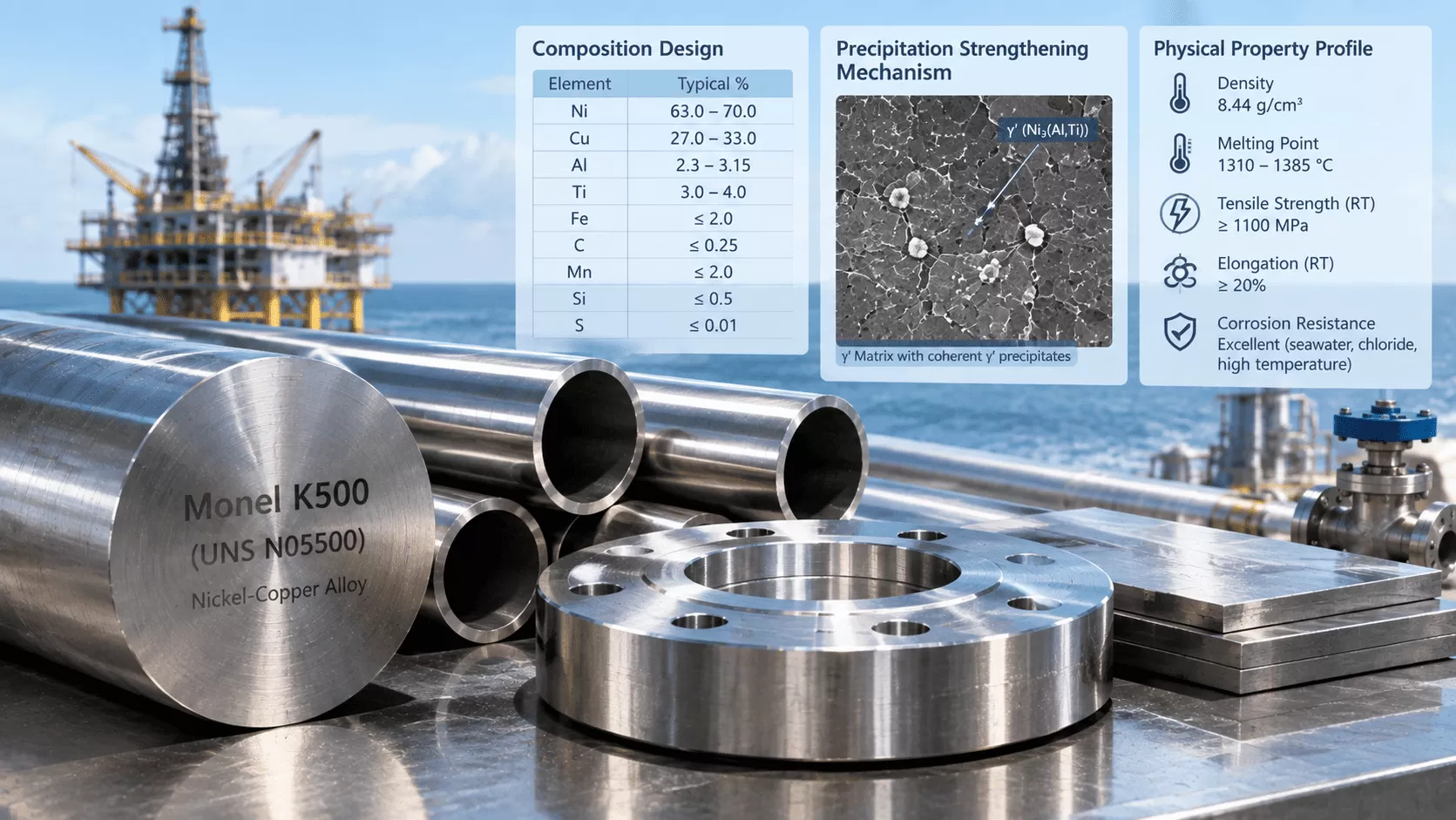
Nickel alloys are metallic materials in which nickel is the primary alloying element, often combined with chromium, iron, molybdenum, copper, or cobalt. Popular examples include Inconel®, Monel®, Hastelloy®, and Incoloy®.
These alloys are specifically designed to perform well in aggressive environments involving high temperatures, corrosive chemicals, or extreme pressures.
The superior corrosion resistance of nickel alloys mainly comes from their stable passive oxide layer, which forms naturally on the surface when exposed to oxygen. This thin, adherent film protects the underlying metal from further chemical attack.
Key elements contributing to corrosion resistance include:
Nickel: Provides resistance to alkaline and neutral environments
Chromium: Enhances oxidation and corrosion resistance
Molybdenum: Improves resistance to pitting and crevice corrosion
Copper: Increases resistance to sulfuric and hydrofluoric acids
Despite their excellent properties, nickel alloys are not completely immune to corrosion. Under certain conditions, they may suffer from specific corrosion mechanisms.
This is the most predictable form of corrosion and occurs when the metal surface corrodes evenly. Nickel alloys generally exhibit very low uniform corrosion rates, even in acidic or alkaline environments.
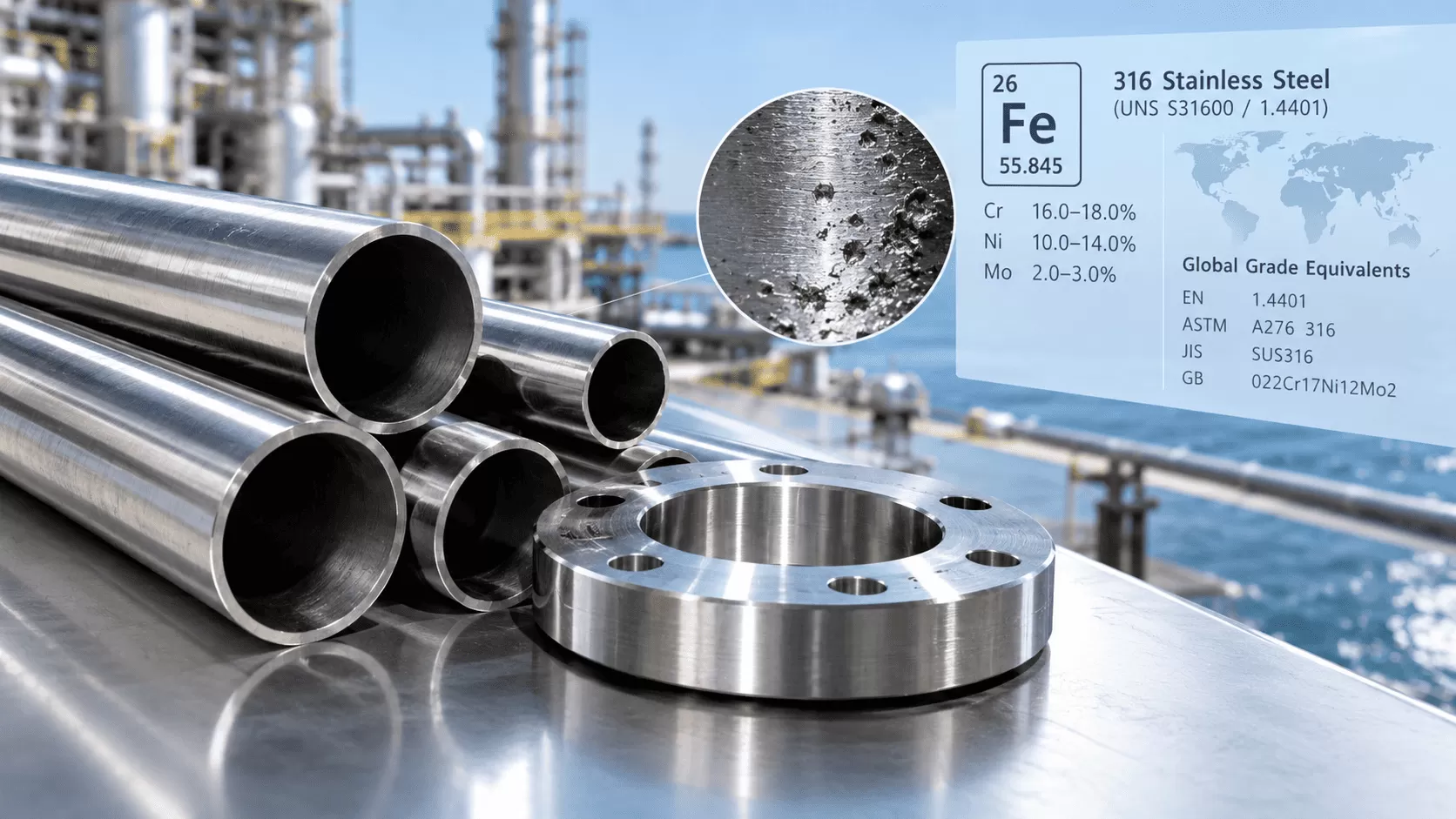
Pitting corrosion can occur in chloride-containing environments, such as seawater. While nickel alloys resist pitting better than stainless steels, extremely high chloride concentrations or stagnant conditions may still cause localized attack.
Crevice corrosion develops in shielded areas where oxygen access is limited, such as under gaskets or deposits. High-molybdenum nickel alloys are particularly effective at resisting this type of corrosion.
Nickel alloys show excellent resistance to stress corrosion cracking, especially compared to austenitic stainless steels. However, SCC may still occur under extreme stress combined with specific chemical environments.
At elevated temperatures, nickel alloys may experience oxidation or sulfidation. Alloying elements like chromium and aluminum help form protective oxide scales that slow down degradation.
Several external factors determine whether and how nickel alloys corrode:
Temperature
Chemical composition of the environment
Chloride concentration
pH value
Flow rate and oxygen availability
Selecting the appropriate alloy for the operating environment is crucial to preventing premature corrosion.
To maximize corrosion resistance, engineers and manufacturers should:
Choose the correct alloy grade for the application
Control operating temperature and chemical exposure
Ensure proper surface finishing and cleanliness
Avoid stagnant conditions and crevices
Perform regular inspection and maintenance
So, do nickel alloys corrode? Yes, they can—but far less readily than most metals. Their exceptional resistance to many forms of corrosion makes them ideal for harsh environments where reliability and longevity are critical. With proper material selection and design, nickel alloys can deliver decades of corrosion-resistant performance.
2026-09-20 00:00:00
2026-09-18 00:00:00

2026-09-04 16:07:31



25th floor, C3 Building, Wanda Plaza, Kaifu District, Changsha, Hunan Province, China
 en
en
 ko
ko
 ru
ru
 es
es
 ar
ar
 hi
hi